Sleep
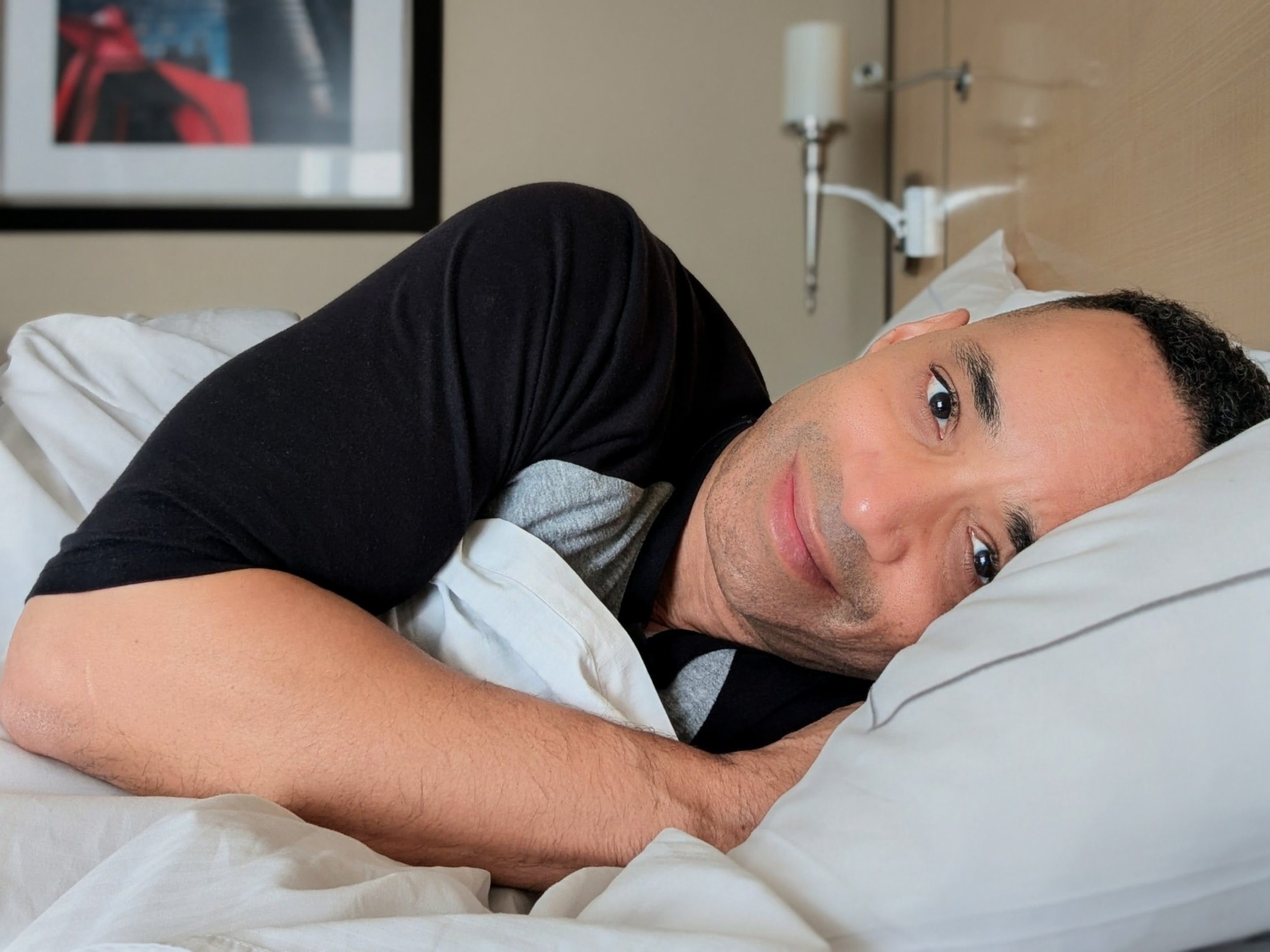
When we think about high performance, whether in leadership, athletics, or personal growth, we usually focus on discipline, mindset, and hard work. Hustle culture tells us that long hours and late nights are badges of honor, especially here in the US. However, sleep, if it is mentioned at all, is treated as optional.
I remember as kids, sometimes our punishment was to go to bed early. Now as an adult, I wish I always had that option to go to bed early!
Because the truth is simple and often ignored: Sleep is not a luxury. It is a performance requirement.
The highest performers do not succeed despite sleep. They succeed because of it. High performance starts in the brain
Every great decision, creative insight, and strategic move begins in the brain—and sleep is what keeps it sharp. During sleep, the brain consolidates memories, processes information, and clears out waste that accumulates during the day. Studies even suggest that sleep helps remove toxins from the brain, supporting long-term cognitive health.
Without enough rest, focus slips, reaction time slows, and judgment declines. Chronic sleep deprivation can impair decision-making at levels comparable to alcohol. For leaders and professionals who depend on clarity and precision, poor sleep quietly undermines everything they are trying to achieve.
We often equate progress with effort: longer hours, harder training, more output. But effort alone does not create growth, recovery does.
Sleep is when the body repairs muscle tissue, balances hormones, and strengthens the immune system. Growth hormone, essential for physical recovery and adaptation, is primarily released during deep sleep. Skipping sleep to “get ahead” is like running high-performance equipment without maintenance. It may work briefly, but eventually something breaks.
High performers are not just productive; they are emotionally steady. Sleep plays a critical role in emotional regulation. When we are well-rested, we are more patient, resilient, and better equipped to manage stress. When we are not, everything feels harder: pressure intensifies, conflicts escalate, and small problems feel overwhelming.
Research supports this. An article from Banner Health, “How Sleep Can Affect Stress,” notes that adequate sleep may reduce anxiety and improve our ability to manage stress. In leadership and team environments, lack of sleep does not just affect the individual—it impacts communication, trust, and morale.
How many times have you said that you will catch up on your sleep when you can? Many people try to recover from sleep loss by “catching up” on weekends. While better than nothing, this rarely restores peak performance.
The body thrives on rhythm. Consistent sleep and wake times help regulate energy, mood, and focus throughout the day. Just like training or skill development, sleep works best when it is consistent—not extreme. This can be especially challenging if you travel often and are in different time zones and geographies.
In a culture that celebrates being busy and exhausted, prioritizing sleep can feel countercultural. That is exactly why it is powerful.
Well-rested people think more clearly, adapt faster, and recover more effectively. Over time, they outperform those who sacrifice sleep for short-term productivity. Sleep does not slow you down, it helps you last longer, perform better and age slower.
A Shift in Perspective may be needed -
The question is not:
“How little sleep can I get away with?”
It’s:
“How much sleep do I need to be at my best?”
When sleep is viewed as a strategic investment rather than wasted time, everything changes. Rest becomes part of the work, not the opposite of it.
If high performance is the goal, sleep is not optional, it is foundational.
If better sleep feels out of reach, start with small, intentional changes:
Limit alcohol — If you drink, keep it to one drink and finish before 6:00 PM.
Avoid late meals — Try not to eat within three hours of bedtime.
Power down electronics — Abstain from stimulating screens at least two hours before bed. I even turn my phones off unless I am on call for the month.
Protect your mental space — Avoid anxiety-producing activities like checking work email or scrolling social media at least one hour before sleep.
Cool the room — A slightly cooler temperature supports deeper sleep.
Darken completely — Eliminate all light sources in the bedroom.
Turn the clock away — If you use an alarm clock, face it away from you so you are not watching the numbers.
Track your progress – I use a Fitbit to track my sleep journey and make sure I get the recommended amount of sleep.
Protect your sleep. Prioritize it. Let it work for you.
High performance does not come from doing more; it comes from recovering better. Sleep is a great secret weapon to that end!
Take care of yourself and each other!
