Touch
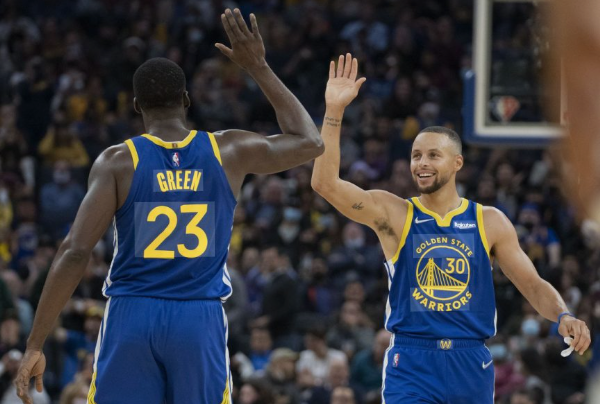
Draymond Green and Steph Curry of the Golden State Warriors
If you watch any team sport closely, you’ll notice something that happens constantly, often without commentary or applause. Players tap hands after routine plays. They pat helmets after making mistakes. They slap backs—and yes, even butts—while running on and off the field. These gestures happen whether the team just scored or not. They aren’t random. They’re deeply human. And the benefits extend far beyond sports.
Touch is one of the earliest forms of communication humans learn. Long before language, babies understand reassurance, belonging, and encouragement through physical contact. In sports, brief, appropriate touch becomes a shared language that communicates “you’re not alone”, “we’re connected”, and “keep going.” These messages don’t require words—and often, they’re more powerful without them.
Author Gary Chapman recognizes touch as one of the five love languages. Almost instinctively in a time of crisis we hug one another. Why? Because physical touch is a powerful communicator of love. We cannot always change events, but we can survive if we feel loved.
If you want to know which NBA team is going to perform the best, watch for the high-fives and chest bumps. In his newest book “Touch: The Science of Hand, Heart, and Mind,” David J. Linden explains how touch relates to success in teams, relationships and can even result in healthier outcomes at the doctor’s office. Linden argues that touch is the most underrated of all the senses and vital for human development. Teams that touch more tend to feel more connected. A quick high-five or helmet tap reinforces that each player matters, regardless of whether they just made a highlight play. This sense of belonging builds trust and cohesion, which are critical for collective performance.
The same principle applies to everyday life. Humans thrive when they feel seen and included—at work, at home, and in communities. Small, positive gestures of connection strengthen relationships in subtle but lasting ways. Often in the gym, members will give each other a fist bump. A whole conversation without words can be said with a fist bump.
Sports are emotionally intense. Mistakes happen publicly, under pressure. A simple touch after an error helps calm the nervous system and prevents emotional spirals. It silently says, “Reset. You’re okay.”
Outside of sports, appropriate touch—like a handshake, a reassuring pat on the back, or a supportive hug—can reduce stress, increase feelings of safety, and help people recover more quickly from setbacks.
When teams only celebrate scoring, they unintentionally teach that value comes only from results. Touch after routine plays reinforces something healthier: effort matters. Hustle matters. Showing up matters.
In life, we benefit from the same mindset. Recognizing effort—whether at work, in parenting, or in personal growth—builds motivation and resilience. Small affirmations remind people that they are valued even when outcomes aren’t perfect.
Consistent positive touch in sports helps create psychological safety—the belief that mistakes won’t lead to rejection. Players who feel supported are more willing to take risks, communicate honestly, and perform under pressure.
Humans everywhere need this same safety. In families, workplaces, and friendships, appropriate physical cues of support can reinforce trust, reduce fear of failure and keep loneliness at bay!
Conclusion
The brief touches we see in sports—hands, helmets, backs, and even butts—aren’t about celebration alone. They’re about connection, reassurance, and humanity. They remind players that they matter beyond the scoreboard.
And that lesson applies to all of us.
When humans experience appropriate, non-sexual, positive physical connection, we feel safer, more valued, and more resilient. In a world that often emphasizes performance and outcomes, sports quietly teach us something essential: sometimes the smallest touch carries the greatest impact.
Take care of yourself and each other!
