Energy
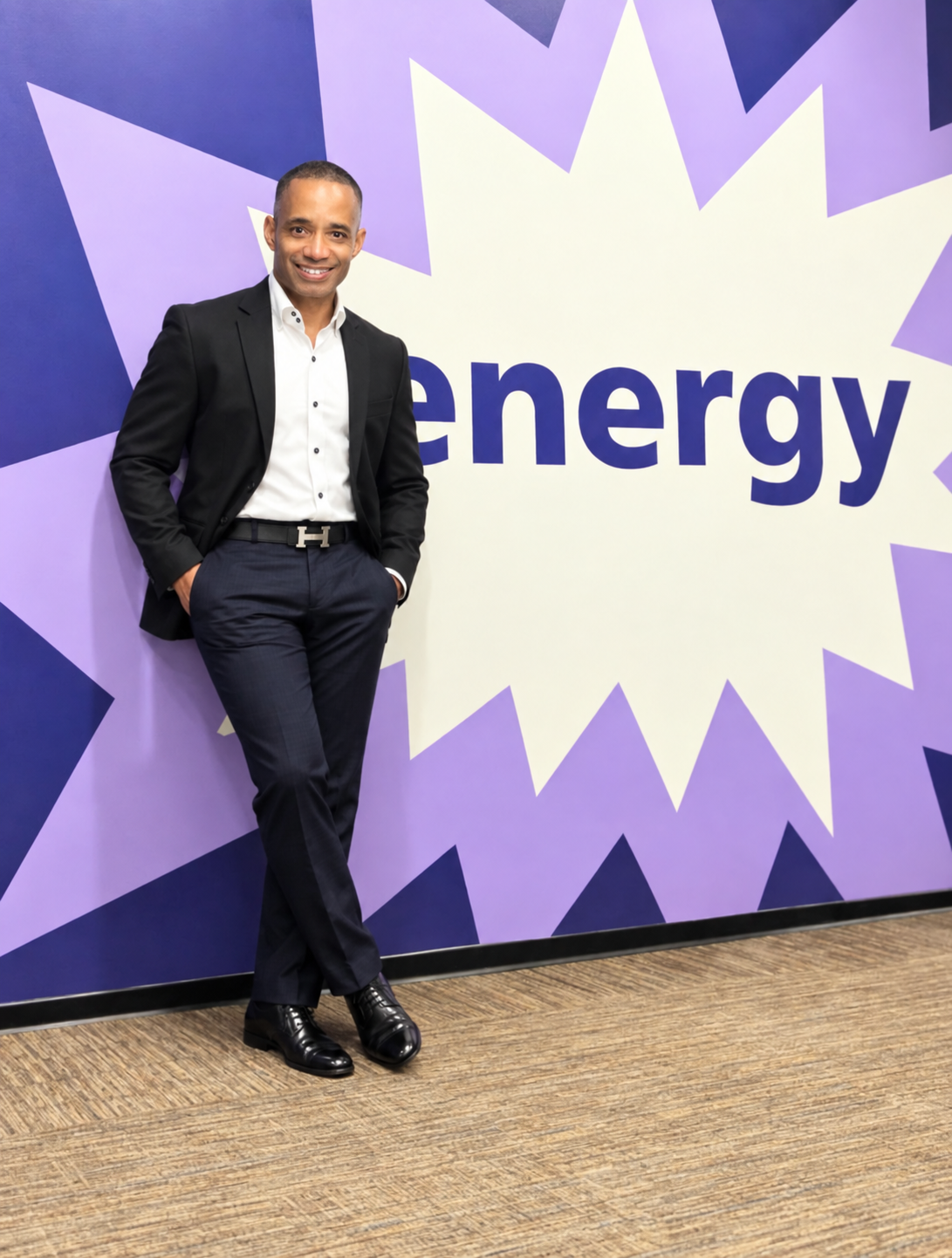
We talk a lot about managing our time. We have calendars, schedules, reminders, alarms, deadlines, meetings, appointments, and seemingly endless to-do lists. We try to squeeze a little more into every day, and when we can't get everything done, we sometimes convince ourselves that we simply need to become better at managing our time. But lately, I've been thinking that maybe we're trying to manage the wrong thing. What if one of our most valuable resources isn't our time at all? What if it's our energy?
Every one of us gets the same 24 hours in a day. But we certainly don't bring the same version of ourselves to every one of those hours. Think about it. You can have two hours completely free one evening and feel rested, motivated, creative, and ready to take on the world. You might exercise, make dinner, call someone you love, work on a project, read a book, or finally take care of something you've been putting off. On another evening, you can have those exact same two hours and accomplish absolutely nothing. You sit down for "just a minute," pick up your phone, and suddenly an hour has disappeared.
What changed? Not the time. Your energy has changed.
And that's why I've started thinking that managing our personal energy may be every bit as important—perhaps even more important—than managing our time. When we say we're tired, we usually think about physical exhaustion. But I've learned that there are many different ways to be tired. Sometimes we're physically tired. Sometimes we're mentally tired. Sometimes we're emotionally exhausted. And sometimes we're simply tired deep down inside.
You can get eight hours of sleep and still wake up emotionally drained. You can be physically exhausted after doing something you love and somehow feel completely energized inside. Our physical energy is influenced by sleep, nutrition, exercise, stress, and recovery. Our mental energy determines our ability to concentrate, solve problems, make decisions, and remain curious. Our emotional energy influences our patience, relationships, resilience, and ability to deal with difficult situations. And then there is the energy that comes from purpose—from knowing that what we're doing matters.
I've discovered that understanding which “energy” is running low can be just as important as realizing we're tired in the first place. Sometimes the body needs sleep. Sometimes the mind needs quiet. Sometimes the heart needs companionship. Sometimes the spirit needs meaning. And sometimes we simply need to stop.
Pay Attention to Your Energy Leaks
We usually know what consumes our time. But do we know what consumes our energy? That's a much more interesting question. Some energy drains are obvious. One of the biggest reasons to manage energy is that not everything takes the same amount from us. A difficult conversation with an employee, friend or family member might last only 15 minutes but drain us for hours. However, an activity we enjoy might take an entire afternoon yet leave us feeling energized. Certain people, environments, responsibilities, and even our own thought patterns can either replenish or deplete us.
That's why energy management requires more than simply getting enough rest. It requires awareness. We need to notice what fills our tank and what empties it. Others quietly take little pieces from us throughout the day. Constant notifications. Unfinished tasks. Worry. Complaining. Comparing ourselves with other people. Trying to please everyone. Replaying a conversation from yesterday. Worrying about a conversation that hasn't even happened yet. Saying yes when everything inside us wants to say no. Trying to control what other people think about us. And one of my favorites—having an imaginary argument with someone in our head while the other person is somewhere happily living their life completely unaware that the argument is even taking place.
We've all done it. The actual event may have lasted five minutes, but somehow, we manage to give it another five hours of our energy. At some point, we have to ask ourselves: Is this really worth what I'm giving it?
Not Everything Deserves Your Energy
This may be one of the most important lessons I've learned as I've gotten older. Just because something demands my attention doesn't mean it deserves my energy. Every argument doesn't require my participation. Every problem isn't mine to solve. Every notification doesn't require an immediate response. Every person's opinion of me doesn't require my emotional investment. Every invitation doesn't require a yes. And every disappointment doesn't deserve permanent residence in my mind.
Sometimes managing our energy isn't about adding another healthy habit to our lives. Sometimes it's about putting something down. A boundary can protect energy. Saying no can preserve energy. Forgiveness can release energy. Turning off the phone can restore energy. Walking away from an unnecessary argument can conserve energy. And accepting that we cannot control another person can free an enormous amount of energy. There is great freedom in realizing that we get to decide where some of our energy goes.
Rest and Restoration Aren't Always the Same Thing
Here's another lesson I've had to learn. Resting doesn't necessarily mean we're restoring ourselves. I can sit on the couch scrolling through my phone for two hours and get up feeling just as tired as when I sat down. On the other hand, I can take a walk, exercise, spend time outside, laugh with someone I care about, listen to music, pray, write, or have a meaningful conversation and feel more energized afterward.
Those things required energy. Yet somehow, they gave me energy back. That's why I've started asking a different question about the things I do to relax:
"Is this actually restoring me?"
That's a very different question from, "Am I doing nothing?" Sometimes doing nothing is exactly what we need. But sometimes restoration requires doing something that reconnects us with ourselves.
What Energy Are You Bringing into the Room?
There's another side of energy that we don't talk about enough. Our energy affects other people. We've all experienced someone walking into a room and changing the atmosphere without saying much of anything. Stress can spread. So can calmness. Negativity can spread. So can optimism. Frustration is contagious. But fortunately, enthusiasm can be contagious too. This is especially important for leaders, but I think it applies to all of us. What energy do I bring into a meeting? What energy do I bring home? What energy do I bring into my friendships? What energy do I bring into a conversation with a stranger? And maybe the most challenging question: What energy do I bring when I'm alone with myself?
We may not always be able to control the atmosphere around us, but we can become more aware of what we're contributing to it. Don't give your best energy only to your problems. This one really makes me think. Problems are demanding. Deadlines are demanding. Complaints are demanding. Work is demanding. Responsibilities are demanding. Difficult people can certainly be demanding. And because those things make so much noise, they can easily receive the majority of our mental and emotional energy. Then something unfortunate happens. The people and things we love get whatever is left.
Maybe we've got that backwards. Perhaps we need to intentionally reserve some of our energy for joy. Reserve some for the people we love. Reserve some for our health. Reserve some for curiosity. Reserve some for laughter. Reserve some for the things we're looking forward to. And yes, reserve some simply for ourselves. We shouldn't have to reach the end of every day completely empty.
At the end of the day, most of us mentally review what we accomplished. Maybe we should occasionally review something else. Ask yourself:
What gave me energy today?
What drained me?
What did I give energy to that really didn't deserve it?
When today did I feel most like myself?
What can I do tomorrow to protect or replenish some of my energy?
Do that often enough and I suspect patterns will begin to emerge. You'll discover the people who energize you. You'll recognize the situations that consistently drain you. You'll notice the habits that restore you and the habits you've been calling "rest" that really aren't restorative at all. And perhaps most importantly, you'll begin making more intentional choices.
What Deserves the Best of You?
The older I get, the more I realize that life isn't simply about how much we can fit into it. It's about how much of ourselves we bring to what we've chosen to put into it. We can be sitting at dinner with someone we love while our mind is somewhere else. We can attend a meeting without really listening. We can take a vacation while carrying work around in our head. We can be physically present without really being there. And perhaps that's what managing our personal energy is ultimately about.
Having enough of ourselves available to experience our own lives. We spend years learning how to manage money. Eventually, we learn how to manage time. Maybe we should become just as intentional about managing something else: ourselves.
Because time management asks: "How can I fit everything in?" But energy management asks a much more personal question: "What deserves the best of me?"
As I get older, I think that question matters more and more. My time isn't unlimited. Neither is my energy. So perhaps the goal isn't always to accomplish more, squeeze more into the day, or become more productive. Maybe the goal is to make sure we still have enough energy left to enjoy more, notice more, laugh more, love more, connect more, and live more.
So here's my challenge for this week's Chit Chat with Chip:
Before you give something your time, occasionally stop and ask yourself:
Does this deserve my energy too?
Because where we repeatedly spend our energy is ultimately where we're spending our lives.
Take care of yourself and each other!
— Chip
